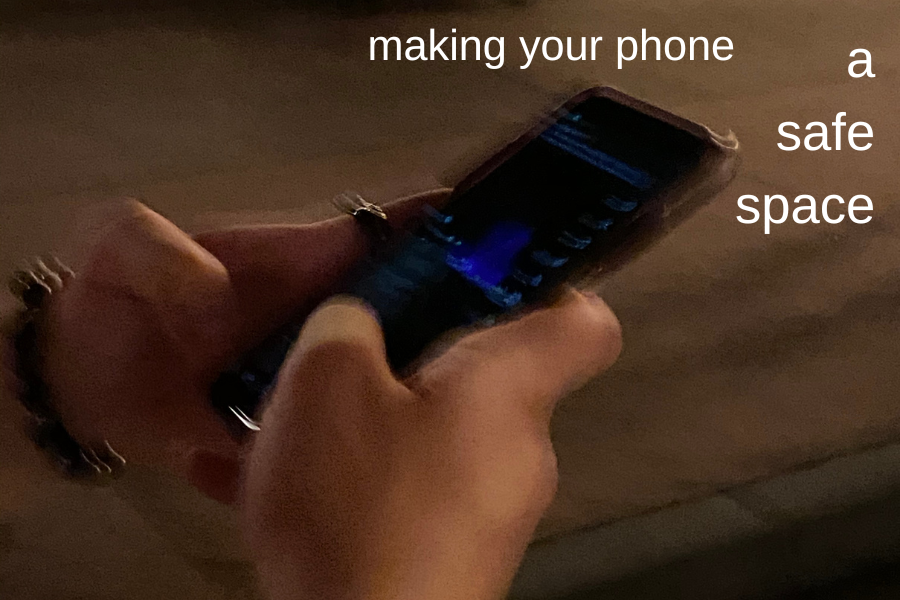
What’s space grey, and silver (sometimes orange too) and carried all over? Answer is…. iPhone. Okay, one more: how many bones are in the human body? You might say 206, but I would argue 207; with the addition of our phone of course, extended from the palm of either hand, warm on our flesh, sinking our eyes in, exercise for our thumbs.
However, the apparent fixation and gross dependence we have to our phones is no laughing matter. The pendulum swings and we saw the rise of Apple, as we do year after year with a new version of the same phone, and we saw the rise of social media with MySpace and Facebook (Mark we can blame you actually), and now we see AI, embedded in our phones, infiltrating schools, tarnishing our google searches. This pendulum seems to swing up, up, up, and we sit on the other side with baited breath for it to come swinging back, hitting us quickly and hard enough to knock the iPhone right out of our hands.
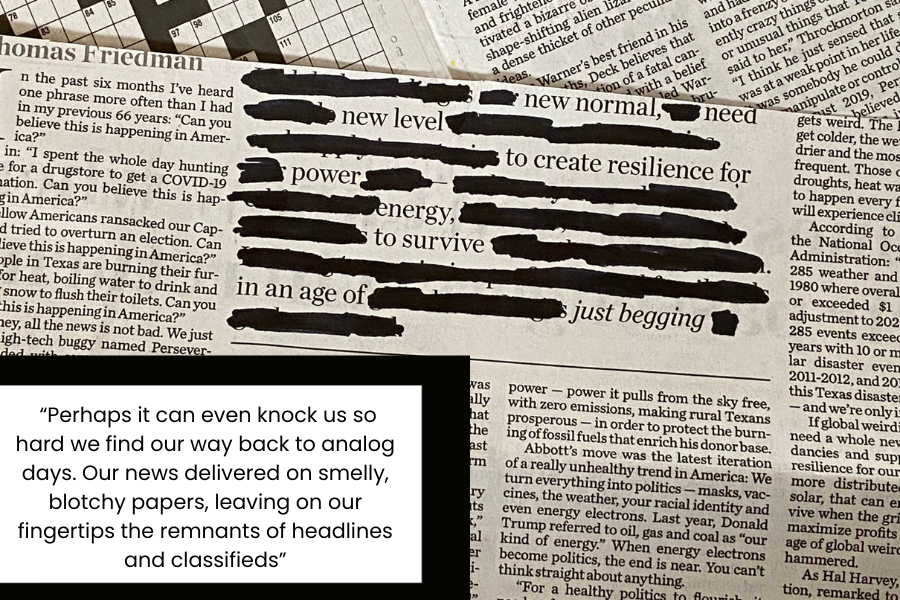
Perhaps it can even knock us so hard we find our way back to analog days. Our news delivered on smelly, blotchy papers, leaving on our fingertips the remnants of headlines and classifieds, rather than through a $1.99 paywall and a morning notification. Perhaps kids can once again complete workbooks, where they can tear the worksheet right from the binding to turn into the homework basket rather than asking ChatGPT to complete times tables, with a few wrong just in case, and clicking submit. Maybe it won’t ever swing this far back, but can’t a girl just dream?
The later pipe-dream seems to be a fantasy where the majority needs to rule in favor of a screen-free movement. We are also aware that this is a dreamworld we do not currently live in nor routinely favors. But can you take one second to imagine; A dream world where we take hammers to the glass screens, hurl phones into the salty sea, saw them in two, set them on fire, see them destroyed. Who would you be in that world? But who am I kidding, even I know this sounds dramatic. So the question remains: How can we help ourselves? How can we make our phones a safe space?
A friend once told me, “I don’t allow myself to have Google Docs on my phone.” A peculiar, yet passionate statement indeed. I had to admire this harsh boundary. What was the reason? Well I did not ask, but it had me thinking; can we set the boundaries on what stays on, or rather off of our phones? A simple first step to creating a digital safe space is deleting the apps you might not need. For example, the one time you drunkenly ordered off of Grubhub for some 15% off deal, and now that app sits sad and alone on the last page of your homescreen, taking up crucial cyber space. Delete it. Maybe you're cutting back on your shopping (I’m digitally pointing a finger at myself) and swiping through your homescreen you see the Depop app begging you to open it. Or, maybe you have a game that hasn’t been played for two years, bye bye. Deleting these allows for your mind, goals, and organization of real life to become symbiotic with your digital life, a synergy that should not be underestimated.
Now personally, I love a junk drawer; one (or two… who’s counting) drawers that become the ‘catch-all’ for anything with even the slightest bit of meaning. Ticket stubs, birthday cards, receipts, gift cards with $2 left on it, book marks, business cards, or anything else that doesn’t quite have any other appropriate place to go, gets thrown in the junk drawer. However there is not infinite space to any drawer, and ultimately there comes a day where the drawer is dumped and things are discarded, much like when your safari tab reaches 500 and you’re barred from creating a new one. This is the next thing we can embark on to create our digital wellness space: keep only necessary tabs. Google search of your new doctor's office? Keep. Recipe for margaritas for your next watch party? Keep. The menu from the restaurant of a friend of a friend's birthday dinner? Delete. As this is more of an active task to keep up with, it becomes more of keeping what is necessary and letting go of the rest, not to mention my personal theory that it makes your phone less… glitchy.
In the same breath, sift through old photos. I have already confessed that I am guilty of having 500 tabs open. I cannot disclose how many photos I have, but we can settle on many. Yet scrolling through, the same notion we had with Safari tabs can carry over; I can delete the screenshot of the bathing suit I liked in 2024, the concert seats I almost got, or the 30 other pictures I took that didn’t get favorited and posted. Same goes with albums, no longer needed collections can be deleted to simplify, organize, and stay relevant to what your life entails now and in the future. Perhaps the same can go for the beloved notes app… grocery lists from 2023, I’m sure we can part with you.
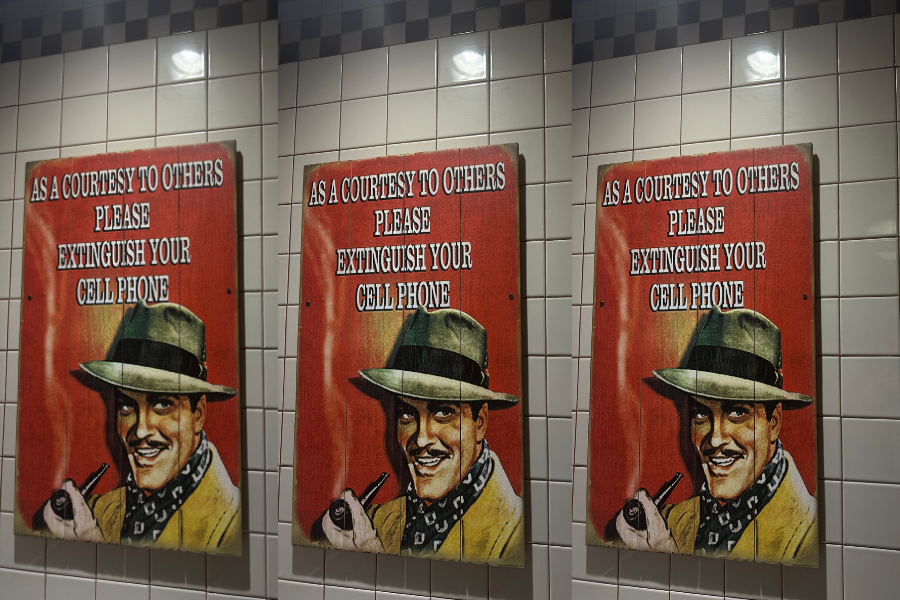
I must wonder; why do we hang onto such things? Maybe this is longwinded and it is only I that is needing a phone spring cleaning, but maybe it’s just the simple letting go of things that we need. Just like tossing an old sticky note in the trash, or cleaning through a thoroughly used purse, we collect things we see as important and as our feelings change or our life takes us to other places, that meaning seems to change depending on what we view as significant. This goes for what we collect in a digital sense as well. Since we can’t escape from a life completely separate from our phones, we can at least thrive in a space that is clean.
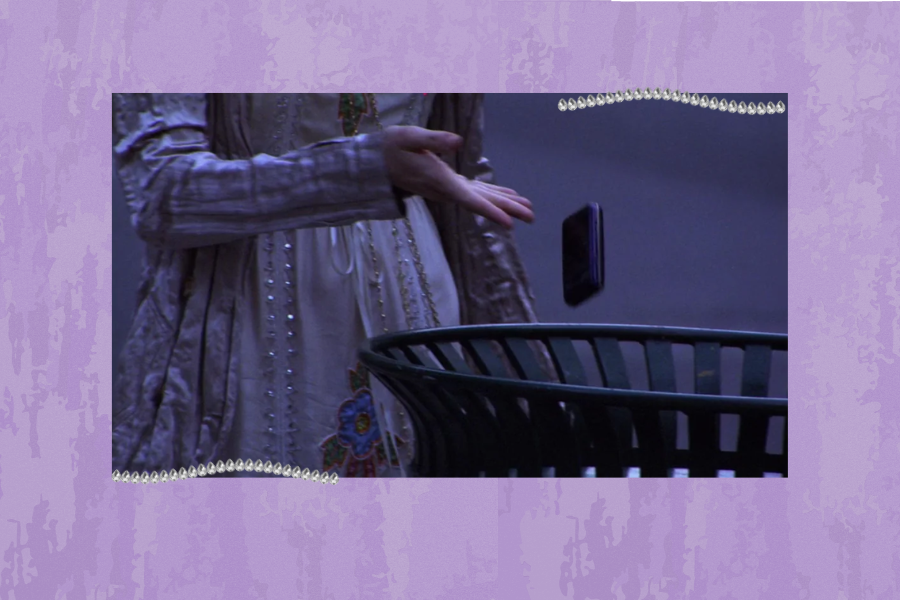
So hopefully now you’re sitting here with a refreshed phone, or soon-to-be digital clean out. But is this good enough? How did our phones, and what we do on them, become such a status symbol? In Season 1 Episode 2 of Gossip Girl, Serena Van Der Woodsen, our messy ‘it’ girl, casually tosses her cellphone in a NYC trash can. At the end of, The Devil Wears Prada, Andy spends a moment in introspection, and while still ringing, chucks her phone into the fountain. The simple bliss of just throwing it away! Phone be gone! In these early 2000s examples, one wasn’t tethered to their phone, rather it was as disposable as a used napkin. I crave this relationship between my phone, to leave it on the charger while I go about my day, walk through the park, drive into town.
Where there is a problem, there is money to be made, and this digital dissonance is a cash machine. Products like the Nothing Phone, Dumphones, or Lightphones, reinvent the wheel of a phone that once was, with not much to do but use as a communication device. Apps and other gadgets like Opal and Brick help block distracting apps or aid in lessening screentime, typically by creating some sort of barrier. The profit of problems, a topic for another day. Another suggestion I might offer, turn of all notifications that are not important to your day-to-day. In the 2020 Netflix documentary, The Social Dilemma, features numerous tech experts speaking to the psychological tactics manufactured into apps to keep people engaged and hooked back into their software. For example, an abandoned item in an Amazon cart will prompt the app to nudge you to complete your purchase or take another look. At the end of the film, each of them strongly states the best thing one can do is to turn off notifications, breaking the cycle of tech addiction. Sounds serious? It kinda is.
But all is not lost for our digital age. Curating our phone as a safe space for us to exist digitally is one way of ensuring that we move forward more consciously and intentionally. Finding the balance between the extreme access of information we have at our fingertips and a few apps you can’t live without is at least one step closer to technological synergy we might be craving. As for me, I’m still waiting for the invite for the phone smashing party, but at least I will have a less cluttered phone to keep me company until then.
nonsense is your safe space,
natalie
Leave a Reply